TL;DR: Is Winter a Good Time to Buy a House in Utah County?
Buying in winter isn’t perfect—but it can be surprisingly smart.
Utah County’s housing inventory dips during the cold months, meaning there are fewer listings but also far fewer competing buyers. Sellers who list in winter are typically more motivated and open to negotiation, giving prepared buyers a real advantage. You’ll also spot hidden home issues—like drafts or heating problems—before you buy.
The trade-off? You’ll have fewer selections and may need to plan around snow, inspections, or holiday delays. Still, if you’re flexible and pre-approved, winter can be a calm, strategic time to buy a home in Utah County.
Bottom line: Winter isn’t the wrong time to buy—it’s just the right time for the right buyer.
Buying a home in Utah County is exciting—but timing matters. While most buyers wait for spring, those who brave the snow might uncover unique advantages. Winter isn’t perfect for everyone, but depending on your goals, it could be the smartest time to act.
In this article, we’ll look at what the data shows, what local experts are seeing, and why winter buying in Utah County can be both a challenge and an opportunity.
How Utah County’s Winter Real Estate Market Really Works
Winter is typically slower in Utah’s housing market—but that’s not necessarily a bad thing.
According to RedSign Real Estate, “Winter is generally the slowest time in Utah’s housing market. Cold weather, the holidays, and shorter days all contribute to reduced activity.”
But slower activity doesn’t mean a frozen market—it means less competition and more leverage for ready buyers.
Over the last three years, Utah County’s months of inventory—the number of months it would take to sell all active homes—has consistently dipped in the winter months.
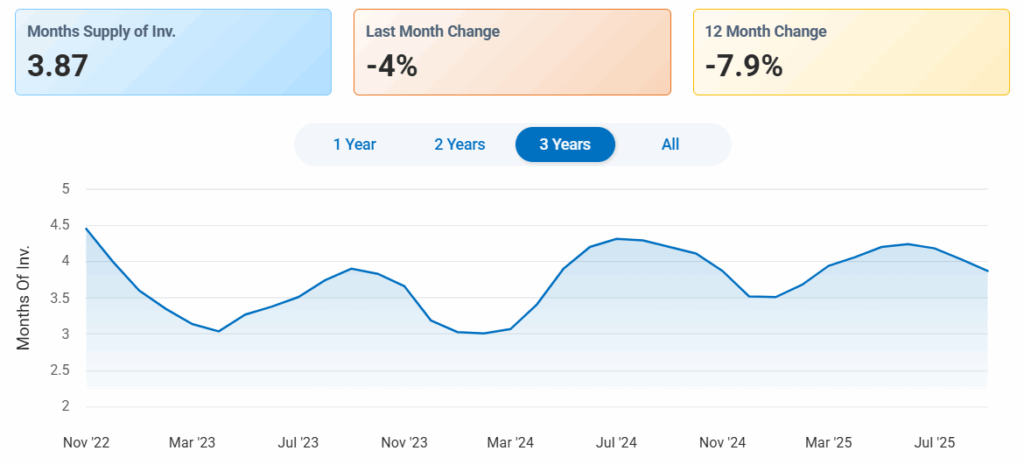
According to REALTORS® Property Resource (RPR), inventory fell below four months in each winter season, reflecting a 7.9% year-over-year drop as of late 2025.
This steady winter dip shows that sellers list fewer homes—but serious buyers also face fewer competitors for each listing.
Most people simply prefer not to move during snow season or the holidays. It’s less about prices and more about convenience.
What Local Data Tells Us
A second look at long-term data reveals a clear pattern: listings and home sales rise sharply each spring, then cool in the fourth quarter.
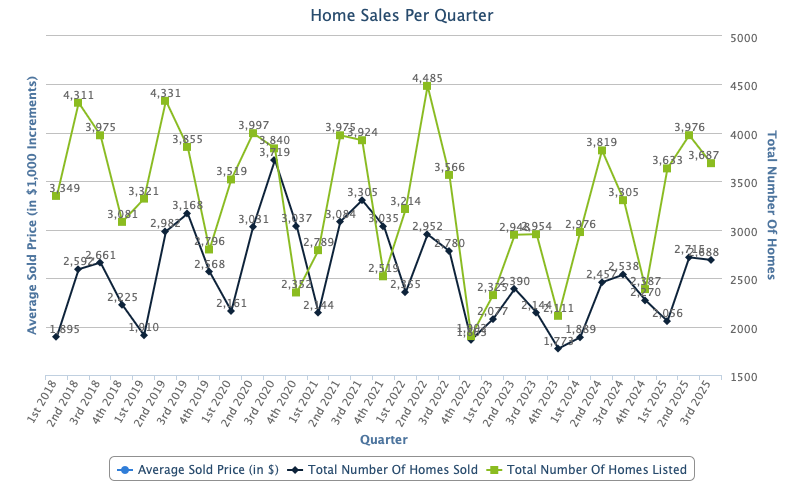
Average sold prices and number of homes listed both drop near the end of each year before rebounding in spring.
How Weather and Holidays Affect Listing Activity
Shorter days and icy roads mean fewer showings—but that can work in your favor. Sellers who keep their homes on the market during winter are usually doing so for a reason.
As Utah Realty Place notes regarding selling during the winter:
“Purchasers who are serious about buying a home will be in the marketplace. You and your family will not be bothered and inconvenienced by mere ‘lookers.’ The lookers are at the mall or online doing their holiday shopping.”

Why Buying a Home in Winter Can Be a Smart Move
Winter buyers often discover perks that spring shoppers miss. Lower competition, motivated sellers, and flexible timelines make the season worth considering.
Less Competition = More Negotiating Power
When fewer people are out touring homes, you gain leverage. You might even have the chance to make an offer without a bidding war. As Cayden Ottley, an experienced Agent at Equity Real Estate, says:
“Most people don’t want to move during the winter, so the total number of homes for sale goes down. That said, for those people who are qualified and ready to buy, you’ll have far less competition than during summer, even if the inventory to choose from is also less.”
Motivated Sellers and Flexible Closing Timelines
Sellers who list in December or January usually need to sell—relocation, job changes, or financial goals often drive the decision. That motivation can open doors for buyers seeking favorable terms or seller-paid closing costs. Caden Grahum, from Guild Mortgage, says:
“It’s very advantageous for the buyer’s point of view because the seller typically wants to sell before the end of the year, and there are not as many listings of buyers at the end of the year, that typically means that you as the buyer are going to have an advantage and can negotiate seller concessions.”
Seeing a Home Under Winter Conditions
Winter exposes what’s hidden in warmer months—drafty windows, slow-heating furnaces, icy driveways. As Utah County Homes Blog points out, the “slow season” helps buyers notice important details:
- Inspectors and movers are less busy
- Storage units cost less
- Drafts and insulation issues are easier to spot
- Furniture and home goods often go on sale
These practical benefits make the off-season less intimidating and sometimes even more convenient.
The Trade-Offs: Why Winter Buying Isn’t Perfect
No season is flawless, and winter comes with a few challenges worth preparing for.
Smaller Pool of Listings — Fewer Choices
Inventory dips each winter, as shown in the RPR data above. Fewer homes on the market means you might need to compromise on certain features or expand your search radius slightly.
Weather, Logistics, and Inspection Challenges
Utah’s cold months can delay inspections or repairs. Appraisers may have to work around snow, and movers can book up quickly around the holidays. Still, with early planning, most of these issues are manageable.
When It Makes Sense to Wait Until Spring
If you need a specific neighborhood or style of home—or simply don’t want to move during snow season—waiting can make sense. Spring always brings more listings. But if affordability or seller flexibility matters most, winter might actually be your window of opportunity.
Practical Tips for Buying in Winter (Utah County Edition)
Buying a home in winter is a bit like driving in the snow — it takes preparation and patience, but you can still reach your destination smoothly.
Here are a few ways to make your winter home search easier and more successful.
Pre-Approval and Financing: What to Prepare
Lenders stay busy year-round, but pre-approval can move even faster during the winter months when fewer buyers are applying. If you’re serious about buying before spring, talk to a lender early — ideally before Thanksgiving.
This allows you to:
- Lock in your rate before potential spring increases
- Show sellers you’re serious (critical when inventory is low)
- Move quickly if you find the right home
Local lenders like Guild Mortgage note that winter can be a great time for well-prepared buyers to negotiate credits or rate buydowns because sellers are often motivated to close before year-end.
For investors, selling or buying before year-end can even be a great tax-saving tool depending on your situation. For some, winter is the time to buy.
Touring Homes in Winter — What to Look For
Winter house-hunting has a few unique perks. You can see how a property performs under real-world conditions — especially in Utah’s cold climate.
When touring, check for:
- Drafts near windows or doors
- Consistent heating across rooms
- Ice buildup on the roof or gutters
- Snow management on driveways and sidewalks
If a home feels warm, bright, and comfortable in January, it’ll likely feel perfect in July.
Plus, inspectors often have more availability this time of year, which means you can get a faster turnaround.
Moving Logistics, Closing Strategy & Leveraging Winter Timing
Winter moving may sound daunting, but it can actually be more convenient:
- Moving companies have more openings
- Storage units often offer seasonal discounts
- Sellers may be flexible on move-out timelines
- You can sometimes schedule a closing after the holidays to reduce stress
If you’re coordinating a move between homes, consider adding a week buffer in case weather delays arise.
Otherwise, you’ll often find winter closings smoother simply because fewer people are in the pipeline.
So… Is Winter the Right Time For You?
The answer, as the title suggests, is both yes and no.
It depends on your goals, flexibility, and comfort with timing.
Matching Your Timeframe, Budget, and Goals
If your goal is to save money, face less competition, or find a seller ready to negotiate, winter might be your best bet.
But if you’re focused on having more options or need to sell your current home first, waiting until late spring may make sense.
In Utah County, winter buyers typically find value in being prepared, not perfect. If you know your numbers and can act confidently, you’ll often have the upper hand.
Questions to Ask Yourself (or Your Agent)
- Can I move comfortably during the winter months?
- Do I have flexibility if closing or inspections take longer?
- Would I rather compete for a bigger pool of homes or quietly secure one now?
- Is the financial opportunity worth the trade-off in selection?
If your answers lean toward flexibility and opportunity, winter buying could be right for you.
Next Steps: How to Move Forward
The key to success in a slower market is partnering with someone who understands it.
A local Utah County agent can help you:
- Identify listings that have been sitting for a while (potentially more negotiable)
- Connect you with a lender ready for quick pre-approval
- Schedule showings efficiently, even with shorter daylight hours
If you’re curious about what’s available right now, text me anytime at 385-251-7076. I’d be happy to share current listings or local data so you can make an informed decision.
FAQs: Common Questions About Winter Home Buying
Yes — if you’re ready and flexible. Winter buyers face less competition and often find motivated sellers. The key is preparation and timing.
While home prices don’t always drop drastically, buyers can often negotiate more in winter — such as closing-cost help, appliance credits, or flexible closing dates.
Yes. Utah County’s housing inventory typically dips between November and February. That means fewer listings but also fewer competing offers.
Absolutely. Many sellers who keep their home on the market during the holidays have a specific reason to sell — relocation, financial goals, or deadlines before the new year.
It can affect inspections, appraisals, and move-in dates slightly, but most professionals plan around it. The biggest advantage? You’ll see how the home handles real Utah winters before you buy.
That depends on your priorities. If you value selection, spring has more listings. If you value savings and negotiating power, winter is worth serious consideration.
The Final Word: Buying a Home in Utah’s Winter Market
So, is winter a good time to buy a house?
Yes and no.
Winter may bring fewer listings and colder weather, but it also brings quieter competition, serious sellers, and unexpected opportunities. It’s not the “wrong” time—it’s just a different time.
If you approach it with preparation and realistic expectations, winter can reward you with a smoother transaction and maybe even a better deal.
And in Utah County, where jobs are steady and housing demand remains strong, timing often matters less than having the right plan—and the right person to guide you.
Curious what’s actually on the market this winter?
Text me at 385-251-7076, and I’ll send you a few current Utah County homes that fit your budget — along with what I’d negotiate if I were in your shoes.
No pressure, just local insight to help you make the smartest move for your situation.