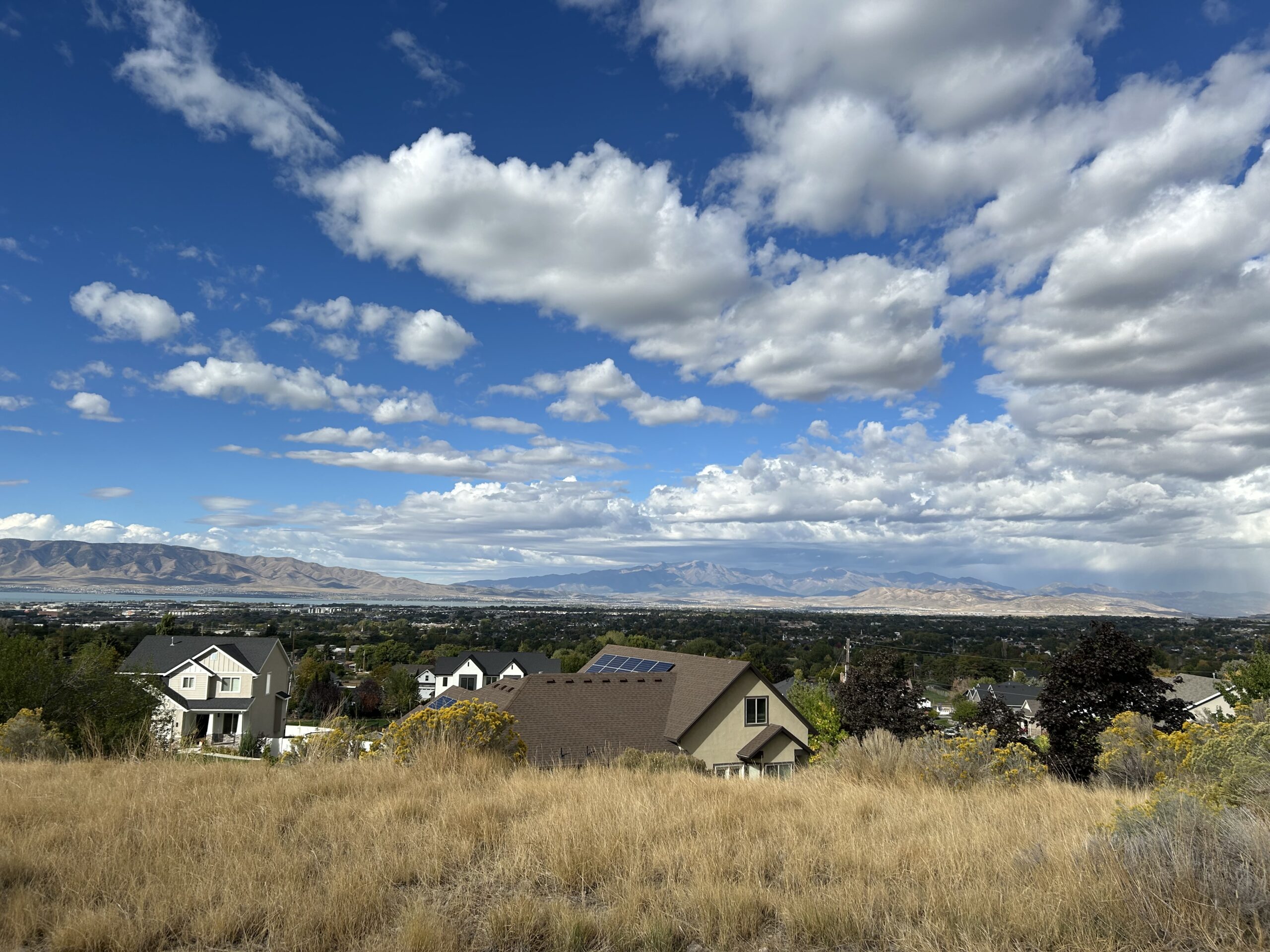
TL;DR: Choosing the Right Utah County Neighborhood
Picking a home is only half the decision: the neighborhood shapes everything else.
This guide walks you through how to evaluate a neighborhood in Utah County, including commute times, school districts, lifestyle fit, and growth trends.
You’ll learn:
- The key differences between Provo, Lehi, Vineyard, and Highland
- How to weigh commute, amenities, and community culture
- Which areas are growing fastest : and why that matters for value
- Common buyer mistakes and how to avoid them
- How a local agent can help match your lifestyle to the right area
If you’re ready to find where you’ll truly feel at home in Utah County, this post will help you start with confidence.
Buying a home is one of the biggest financial and emotional decisions you’ll ever make. But here’s the truth many buyers overlook: your neighborhood often matters more than the home itself.
A great house in the wrong area can quickly feel like a bad fit. Whether you’re drawn to Utah County for its mountain views, thriving job market, or family-friendly communities, choosing where you live will define your daily life: your routines, relationships, and even long-term happiness.
Why Your Neighborhood Choice Matters
A neighborhood isn’t just an address. It’s the backdrop to your lifestyle: the schools your kids attend, the trails you run, the traffic you face every morning, and the neighbors you wave to every evening.
In Utah County, the difference between two neighborhoods can mean the difference between a 10-minute commute and a 45-minute one, between a close-knit community and a busy suburban hub. That’s why understanding what fits you best, not just what’s available, is so important.
Home values also vary widely across the county. The median sale price in Utah County sits around $520,000, up 2% since last year, while homes average about 49 days on the market. These numbers show a competitive but steady market, one where choosing the right area can directly impact both your investment and your quality of life.
Understanding Utah County’s Neighborhood Landscape
Utah County is diverse: not just in landscape, but in lifestyle. From college-town energy to mountain serenity, each area has its own rhythm. Here’s a quick overview to help you start narrowing your search.
Urban Centers: Provo and Orem
If you love walkability, access to restaurants, and being close to everything, Provo and Orem deliver. They’re the county’s most urban hubs: filled with culture, local businesses, and events. You’ll find everything from small downtown apartments to mid-century homes near BYU and UVU.
These cities are ideal for buyers who value convenience and community. Provo, for instance, has one of the youngest median home ages in the U.S., just six years compared to the national average of 36. That freshness shows in its design, energy, and modernization.
Suburban Growth Areas: Lehi, Vineyard, and Saratoga Springs
Lehi continues to boom thanks to its relevance and proximity to Silicon Slopes, Utah’s thriving tech corridor. The result? A mix of new homes, corporate campuses, and modern amenities that attract professionals and families alike.
Nearby, Vineyard has completely transformed from the former Geneva Steelworks site into a master-planned suburban community, one of the fastest-growing cities in Utah. Saratoga Springs offers similar energy, with expanding schools, shopping, and lakefront living at a more approachable price point.
For buyers who want new construction, family amenities, and long-term appreciation, these cities are hard to beat.
Quiet Escapes: Highland, Alpine, Spanish Fork, and Payson
Not everyone wants city buzz. If you’d rather have space, quiet, and mature neighborhoods, Utah County’s outer communities deliver exactly that. Highland and Alpine offer large lots, great schools, and a higher-end culture and charm, with a little more of a rural feel added in.
Spanish Fork and Payson provide the same peace with added affordability. These areas tend to have more relaxed HOAs, often allowing chickens, gardens, or larger workshops, ideal for buyers who want freedom with their land.
The trade-off is longer commutes, but for many, the calm, close-knit feel is worth it.

How to Evaluate a Neighborhood Before Buying
Every buyer wants to find “the one,” but smart buyers focus as much on the neighborhood as the home itself. Here’s how to evaluate what really fits your life.
Commute and Accessibility
In Utah County, your proximity to I-15 defines much of your daily experience. Living closer to the freeway means faster commutes north to Lehi or Salt Lake County, where many residents work, but it often comes with more noise and congestion.
Meanwhile, living farther east or south offers more peace but longer drive times. Mapping out your work and lifestyle destinations (gym, daycare, grocery store, family) can reveal how accessible your life will feel day-to-day.
Parks, Trails, and Everyday Amenities
Local amenities can shape lifestyle more than square footage. Neighborhoods along the Murdock Canal Trail, for example, tend to attract active residents who bike, jog, and walk together. Parks, grocery stores, and libraries all contribute to how you’ll experience community.
When choosing, look at what’s nearby, not just in your neighborhood, but within a five-minute drive. Convenience adds real comfort and can influence long-term satisfaction and resale value.
Experts emphasize this as one of the top things to check before buying a home, “Your ideal neighborhood should be financially affordable, close to necessities, and filled with people you can connect with”.

Schools and Education Options
Even if you don’t have children, schools matter. They often anchor home values and signal community quality. Utah County includes three main districts: Alpine, Nebo, and Provo City, each with strong reputations and a variety of programs (though currently, Alpine is splitting into 3 smaller districts: Aspen Peaks, Lake Mountain, and Timpanogos. The change will take place on July 1, 2027).
Use sites like GreatSchools.org or Niche.com to compare ratings, but also ask locals. A school’s reputation within the community often tells you more than test scores alone.
Lifestyle and Neighborhood Culture
Every neighborhood has a “feel.” Some are social and active, while others are private and quiet. Consider whether you’d enjoy block parties, HOA events, or simply waving to the same neighbors on your evening walks.
Community events also reveal local character: summer celebrations like The Highland Fling, Strawberry Days in Pleasant Grove, and the Provo and Orem Farmers Markets are great places to experience Utah County’s friendly, family-centered vibe before you buy.
Where Utah County Is Growing (and Why It Matters)
Understanding where growth is happening can help you make confident long-term decisions. Neighborhoods with planned infrastructure, new schools, and job expansion often see stronger appreciation over time.
Lehi and the Silicon Slopes Boom
Lehi remains one of Utah County’s fastest-growing cities, fueled by the expansion of Silicon Slopes, home to companies like Adobe and Podium. With this influx of high-paying jobs comes demand for housing, restaurants, and recreation, which drives steady home appreciation.
According to Zillow, Utah County home values have risen about 2.5% in the past year, and Lehi continues to outperform most other areas due to its economic momentum.
Vineyard’s Redevelopment and Suburban Transformation
Vineyard’s story is one of Utah County’s most striking transformations. Built on the former Geneva Steelworks site, it’s now a clean, master-planned community with new homes, parks, and commercial development.
Its central location, between Orem and the lake, gives residents a mix of convenience and suburban comfort. For first-time buyers, Vineyard offers newer homes at prices often lower than Lehi or Alpine, without sacrificing access to key routes and amenities.
Saratoga Springs and Eagle Mountain
As prices rise elsewhere, many buyers are heading west. Saratoga Springs and Eagle Mountain have exploded with growth as people look for more space and affordability. Both cities are investing heavily in schools, infrastructure, and recreation, making them appealing for young families building equity.
New master-planned communities are adding parks, shopping centers, and better roads every year, signaling steady, sustainable growth.
Common Mistakes When Choosing a Neighborhood
Even smart buyers can overlook key details when they fall in love with a home. Avoiding these common pitfalls can save years of frustration and regret.
Ignoring Local Context
Utah County’s beauty comes with variety, and each area has its quirks.
Snow can hit hard in Alpine, Highland, and Cedar Hills, while canyon winds can make winter driving tricky. Meanwhile, neighborhoods near rivers or canyons have occasionally faced summer flooding risks in the past decades.
Buyers from out of state often underestimate these local dynamics or don’t realize how elevation or geography can change microclimates. Before buying, visit neighborhoods at different times of year or talk to locals about what to expect.
Focusing Only on the House, Not the Community
A home can be renovated, a neighborhood can’t. Many first-time buyers get tunnel vision on finishes and square footage while ignoring things like commute, noise levels, and community culture.
As one national housing blog puts it, “A neighborhood that seems peaceful during the day might become noisy in the evening or on weekends : visit at different times.”
Your future happiness depends more on daily life rhythms like neighbors, local amenities, and commute, than on countertop materials.
Skipping Due Diligence
Before making an offer, always check:
- HOA rules and fees
- Future zoning and development plans
- Internet and utility providers
- City ordinances about street parking or short-term rentals
These “invisible details” can make or break your satisfaction. For instance, some HOAs in Utah County restrict overnight street parking during winter months, while others limit whether you can keep backyard chickens or build an ADU. Always verify, never assume.

How to Tell if a Neighborhood Will Hold Its Value
Home values are influenced by more than aesthetics. Look at growth indicators like:
- Planned infrastructure or commercial developments
- School district reputation
- Job and population growth nearby
- Long-term city investment
For example, new developments expanding near the Texas Instruments campus in Lehi suggest strong demand and steady appreciation for years to come.
Historical data show that Utah County’s House Price Index has more than tripled since 2000, reflecting consistent long-term value growth.
While no one can predict the market, neighborhoods with strong community infrastructure tend to weather market fluctuations better.
Hidden Details to Check Before You Buy
Before you fall in love with a listing, dig deeper:
- Noise levels: Visit during rush hour and weekends.
- Internet quality: Some rural or new areas still have limited providers.
- Zoning and development: Ask the city if new roads, retail, or apartment complexes are planned nearby.
- HOA regulations: Review the full document, not just the fee amount.
These questions may not sound exciting, but they protect your comfort and resale value later.
How to Get a Feel for a Neighborhood
You can read every statistic available, but nothing replaces personal experience.
Spend an afternoon walking the streets, visiting local parks, and checking out grocery stores. Attend community events like local sports games, events at the library, or the City fair.
Talk to people; Utah County residents are famously friendly, and most will happily share their honest opinions about the area. Marketing experts even suggest that “talking with current residents is one of the most effective ways to understand community culture”
How a Local Agent Helps You Choose the Right Neighborhood
A local real estate agent isn’t just a transaction guide, they’re a translator for lifestyle fit.
A good agent helps you:
- Identify neighborhoods that match your goals and personality
- Avoid overpaying in hot zones
- Understand future development trends
- Verify school districts, HOA policies, and zoning
For example, if you thrive on restaurants and social life, a townhome near American Fork or Lehi’s restaurants may suit you better than a quiet cul-de-sac in Highland. Conversely, if you want space, gardens, or a home gym setup, the outskirts might be ideal.
Working with someone who knows Utah County means you get context, not just listings.
FAQs About Choosing a Neighborhood in Utah County
Look for a balance of convenience, comfort, and community. Consider commute, amenities, schools, and long-term growth plans, not just price or curb appeal.
Visit in person, explore nearby parks and stores, and drive your daily routes. Research local crime data, HOA rules, and school boundaries.
Many families love Lehi for its schools and growth, Highland and Alpine for space and community, and Saratoga Springs for affordability and new builds.
Visit your city’s planning department website or call the zoning office. They can share maps and upcoming projects.
HOAs can maintain neighborhood aesthetics but may restrict certain activities, like parking on the street, keeping chickens, or building an ADU. Always review the full rules before committing.
Beyond online data, walk the neighborhood at different hours and attend local events. Talking to residents is often the best insight.
Absolutely. They can flag hidden red flags, explain local patterns, and help you weigh trade-offs that might not be obvious on paper.
Your Perfect Utah County Neighborhood Awaits
Choosing a neighborhood isn’t about finding perfection. It’s about finding your fit. Utah County offers an incredible mix of urban energy, suburban convenience, and rural calm, and the right community can make your homeownership experience deeply rewarding.
If you’re ready to explore where you truly belong, let’s talk. I’ll help you narrow your search, understand each area’s unique rhythm, and find a place that feels like home.